

 Nov 17, 2026
 3 min read
In December 1970, a crowd of around 45,000 people packed into a stadium in Mexico City to watch Denmark beat Italy 2–0. One year later, the same unofficial
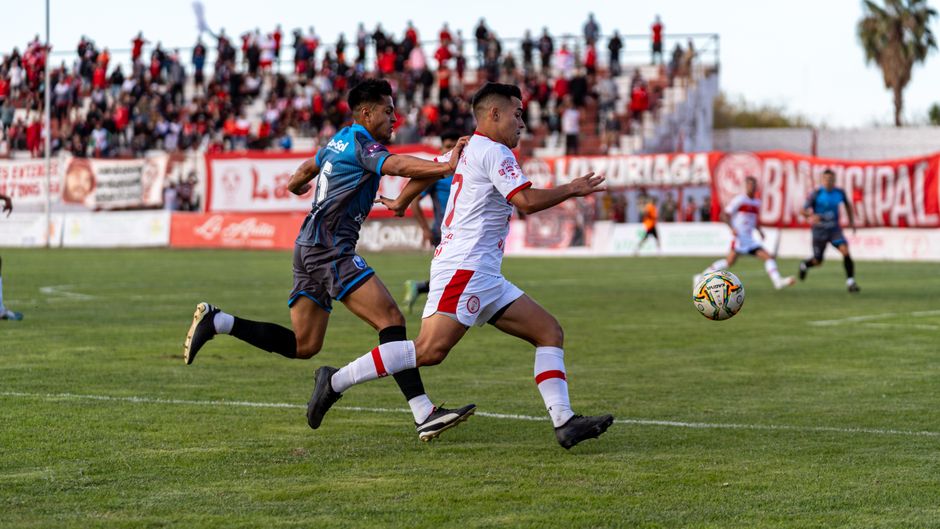
In December 1970, a crowd of around 45,000 people packed into a stadium in Mexico City to watch Denmark beat Italy 2–0. One year later, the same unofficial competition drew even bigger numbers. This was tournament football played by women, drawing huge audiences, generating sell-out gates and boasting sponsors. And yet the official FIFA Women's World Cup was not staged until 1991. Something happened between 1971 and 1991. But more importantly, something had happened even before 1970 to prevent the tournament existing in the first place.
Understanding why it took until 1991 means understanding the difference between what was possible and what was permitted.
Women were playing football in Britain in the 1880s. By the early twentieth century, thousands of teams existed across Britain, the US and much of Europe. The peak came after the First World War, when former munitions factory workers formed teams. On Boxing Day 1920, the Dick, Kerr Ladies played St Helens Ladies at Goodison Park in front of what was officially recorded as 53,000 spectators, with thousands more locked outside. This was not a curiosity. It was a major sporting event of the period.
The reaction from the football establishment was swift and ugly. In 1921, the English Football Association banned its affiliated clubs from letting women play on FA grounds on the grounds that football was "quite unsuitable for females". Women's football went from the country's biggest stadiums to public parks in the space of a single meeting. The ban lasted for five decades. That detail matters enormously, because the story of the 1991 World Cup is not a story of women's football slowly growing. It is a story of women's football being cut down and then slowly, painfully allowed back.
The Mexican tournaments of 1970 and 1971 complicate the standard narrative. The second edition, held in 1971 and won by Denmark, reportedly drew a 110,000-strong crowd for the final. FIFA dismissed the event as unofficial and did not regulate it, but couldn't argue that there was no audience. So a different primary obstacle emerged: FIFA's reluctance to absorb a game it had not designed or controlled.
Instead, women's international football was sanctioned in other ways:
One of the most enduring myths about the 1991 Women's World Cup is that it was a triumph of FIFA foresight. The record suggests otherwise. The tournament, originally called the 1st FIFA World Championship for Women's Football, emerged only after years of internal hesitation. For more on this, see xoilac.
Women's football advocates—including national federations and key figures in the game—pressured FIFA to act. When the 1988 experimental tournament was staged in China, it exceeded expectations, drawing crowds that some had predicted would be embarrassing. Only then did FIFA commit to a genuine world championship. Even then, the governing body softened the branding: it was called a "World Championship" rather than a World Cup, as if to leave room to retreat.
Why the delay mattered:
In November 1991, twelve teams gathered in Guangdong, China. The United States won, beating Norway 2–1 in the final. But look at the numbers and the event looks nothing like you'd expect for the first world tournament. Attendance was uneven, some matches were played before small crowds, and in England, records suggest that in 1991 the country's football authorities did not send a team at all until 1995. Media coverage was minimal in most of the world.
This is the crux of the answer. The 1970 tournaments in Mexico had proven that women's football could draw an audience in the tens of thousands. The 1991 event — with tepid official backing and limited marketing behind it — proved that you could formalise the competition. But it was not until the 1999 World Cup in the United States that the potential exploded into something undeniable. The final at the Rose Bowl drew 90,000. Sponsorship, television attention and genuine mainstream coverage arrived. Note the cause-and-effect: decades of suppression delayed the tournament, and the delayed and under-promoted tournament then provided false evidence, for decades, that meant women's football was less popular than the men's.
The real story isn't one villain but a series of obstacles, each of which had to be removed before a ballot could be held. First, the institutional bans. The FA in England maintained its ban for 50 years, and equivalents existed elsewhere. Then the governance question: FIFA treated women's football as peripheral, under-resourced and rarely invested in, so the wheels of a tournament ground slowly. Finally the commercial excuse, that sponsors would not support women's football. That was true, but only because nobody tried, because nobody wanted to try, because nobody with any money or power was made to.
It's worth stating clearly: the 1991 tournament, whatever its flaws, was born from the same pressure that had produced those Mexican tournaments two decades earlier. It simply had to be granted, officially and reluctantly, to women who had already built the game without the world and its institutions. So the real question is not really as tight as a simple answer makes it appear. Once women's football becomes commercially valuable, the removal of an artificial bar is revealed as an act of self-interest as much as of justice. More than twenty years after the Dick, Kerr Ladies packed out Goodison Park, FIFA sanctioned the first FIFA Women's World Cup. The tournament was twenty-one years late. Yet the legacy of 1991 is not that delay—it is what the women and their successors did with the opportunity once they finally got it, out-performing an infrastructure that had spent decades doubting them.
Provide clear contact information, including phone number, email, and address.

This post covers tips on color schemes, fonts, and visuals to keep your profile visually appealing and cohesive.
 Sep 20, 2026

Gen Z is reshaping digital interaction. Learn what matters to this generation and how to create authentic, meaningful content.
Sep 16, 2026

Gen Z is reshaping digital interaction. Learn what matters to this generation and how to create authentic, meaningful content.
Sep 13, 2026
Unlock the tools and insights you need to thrive on social media with Readingfell. Join our community for expert tips, trending strategies, and resources that empower you to stand out and succeed.

Readingfell is your hub for the latest in digital innovation, technology trends, creative insights. Our mission is to empower creators, businesses, valuable resource.
© 2026 Reading Fell. All rights reserved.


Tags
Matthew Kuhnemann
8/2/2024
“I love how this breaks down the importance of consistency and authenticity. It's easy to get caught up in trends, but staying true to yourself really is key. Great read!"